
Monuments to Nature

Monuments to Nature

Hudson Preservation | Columbia

Hudson Preservation | Columbia

Client

Client

Branding, Campaign

Branding, Campaign

Services

Services

2022

2022

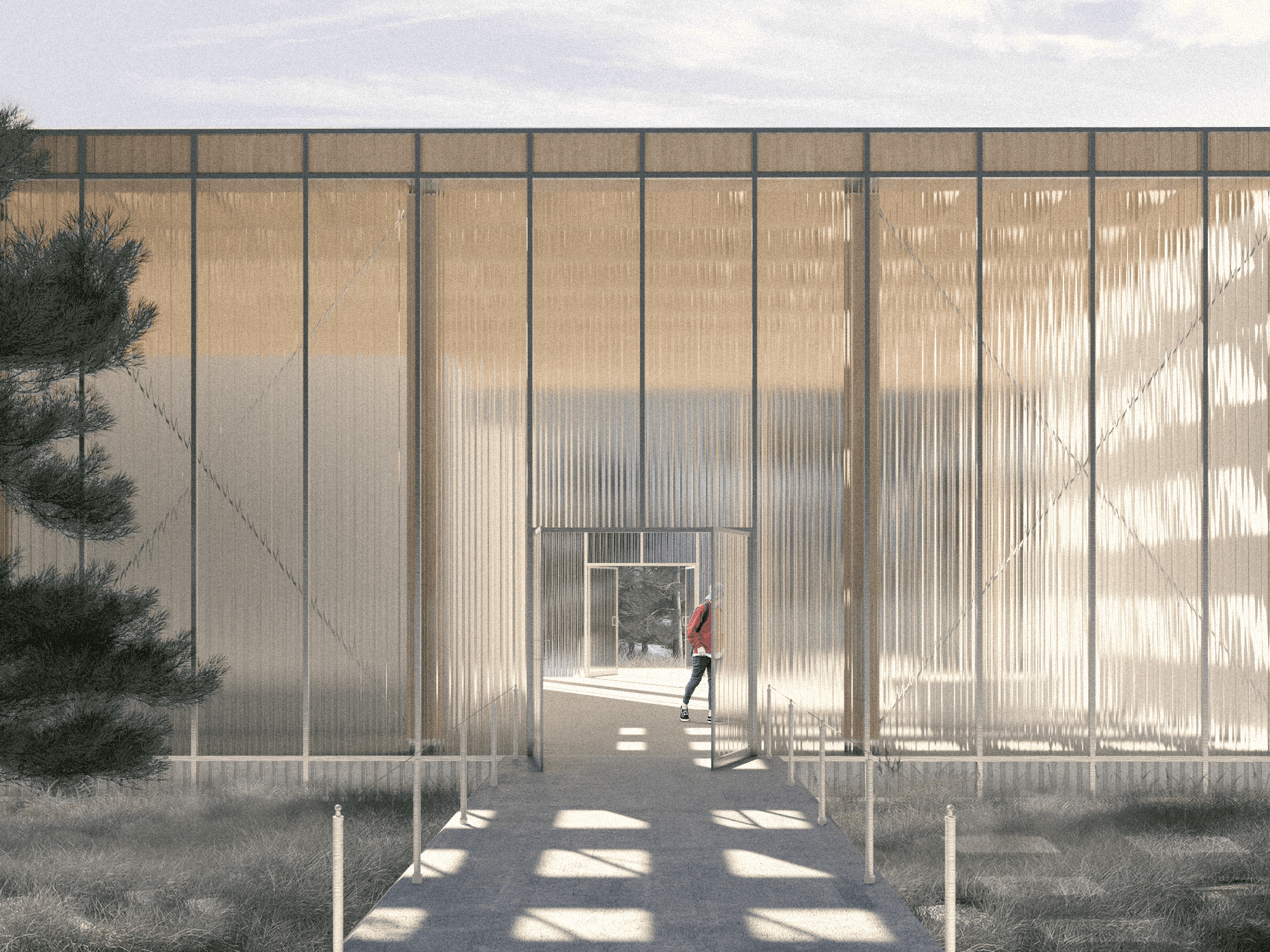
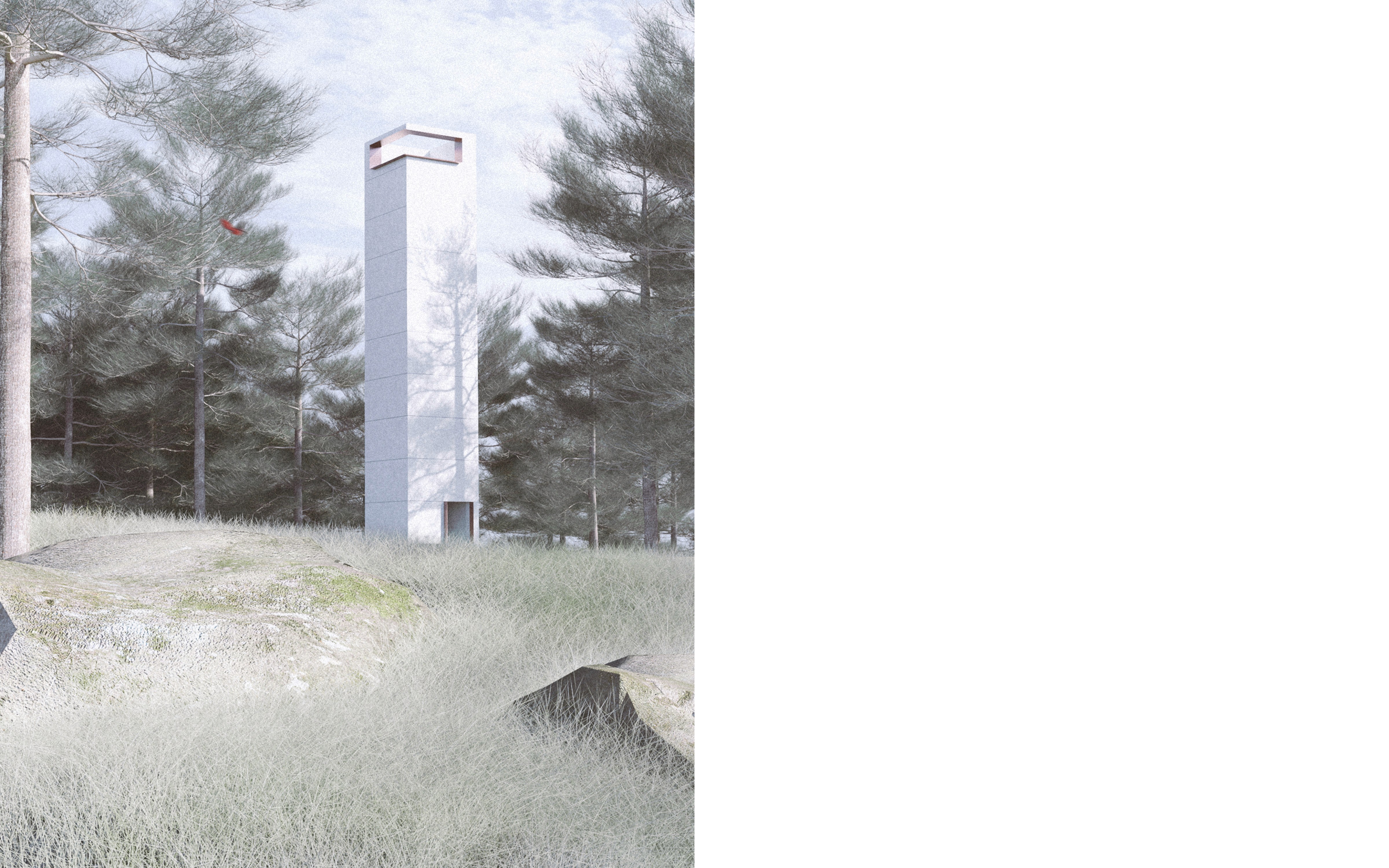
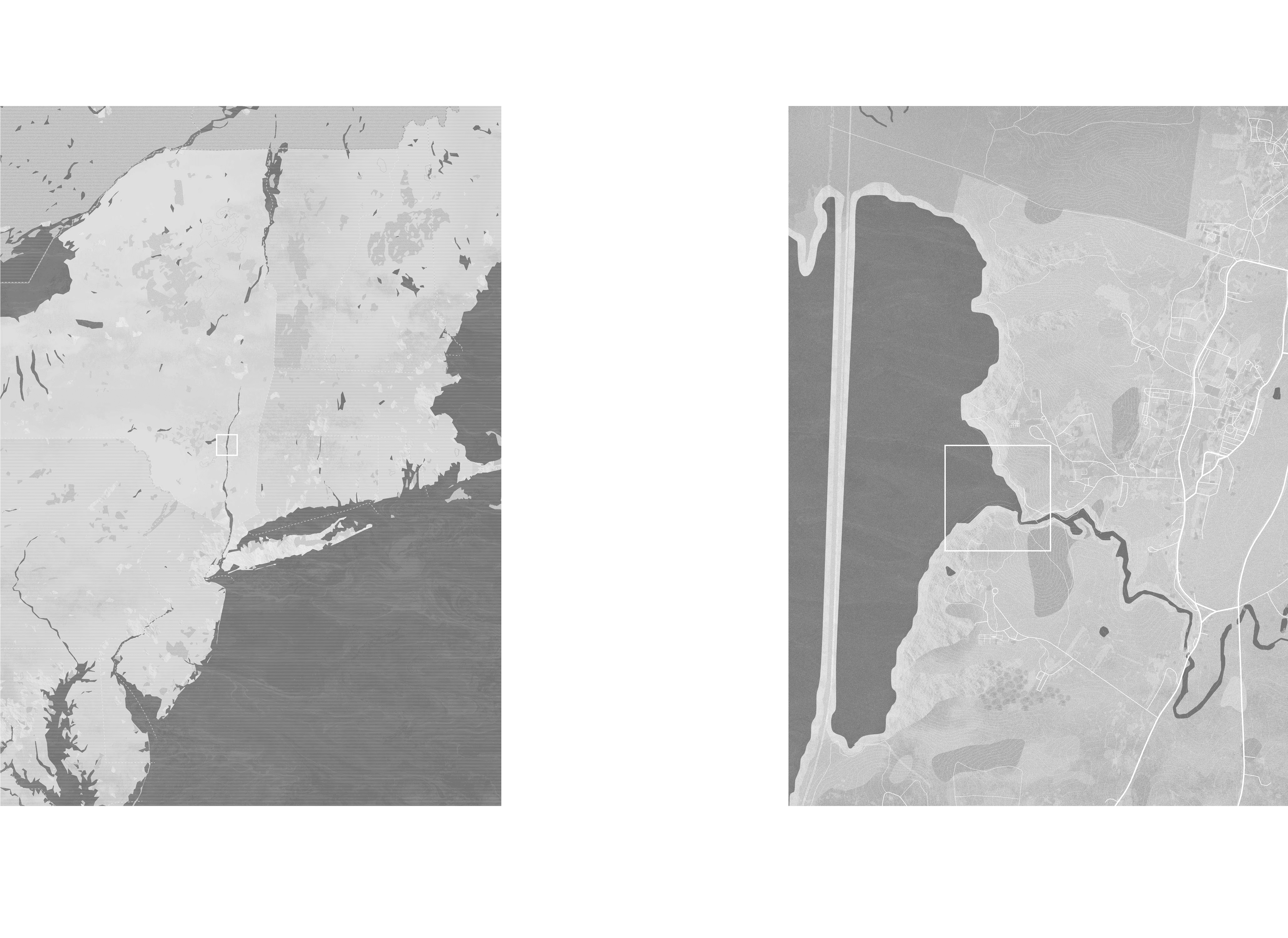
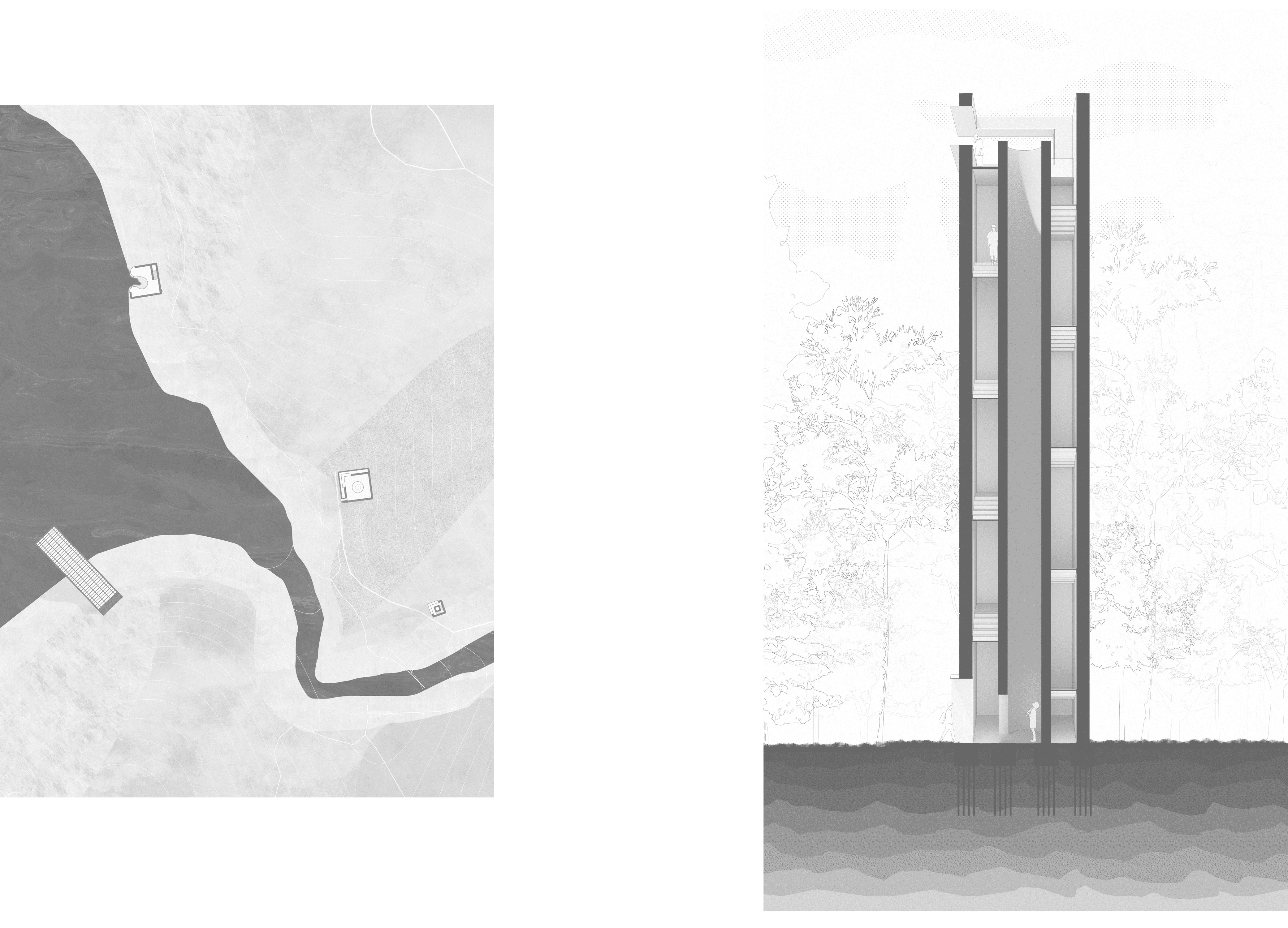
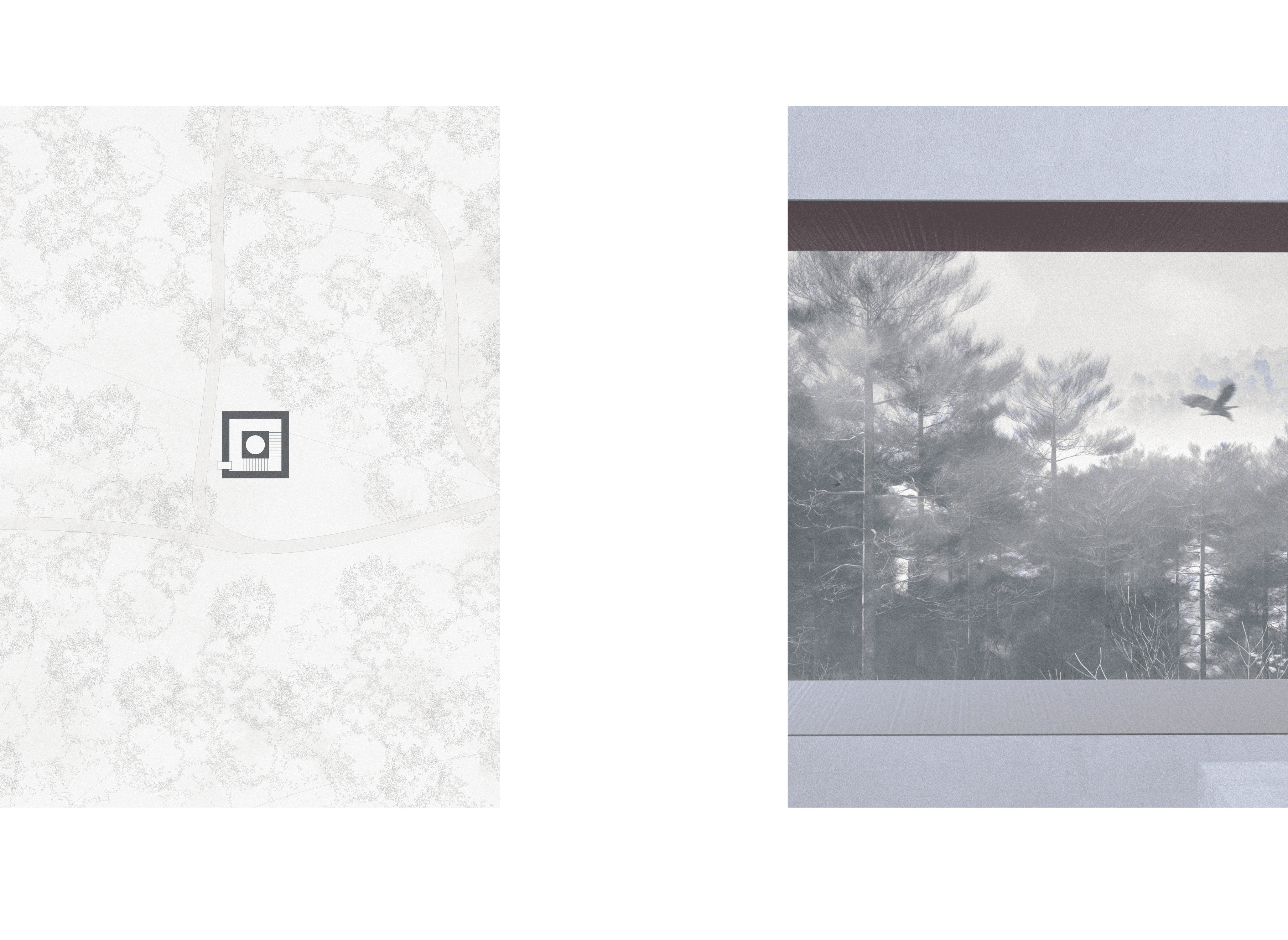
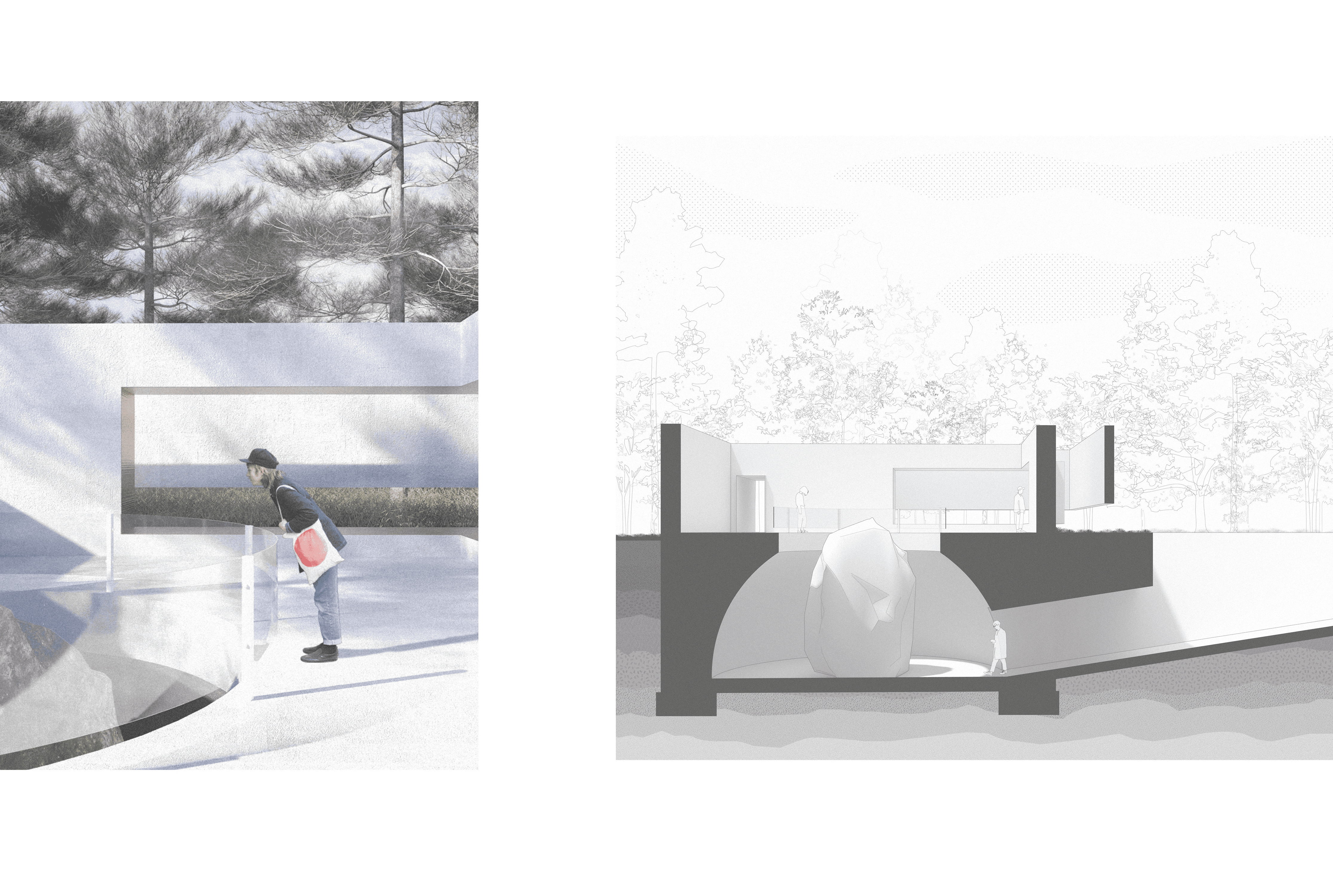
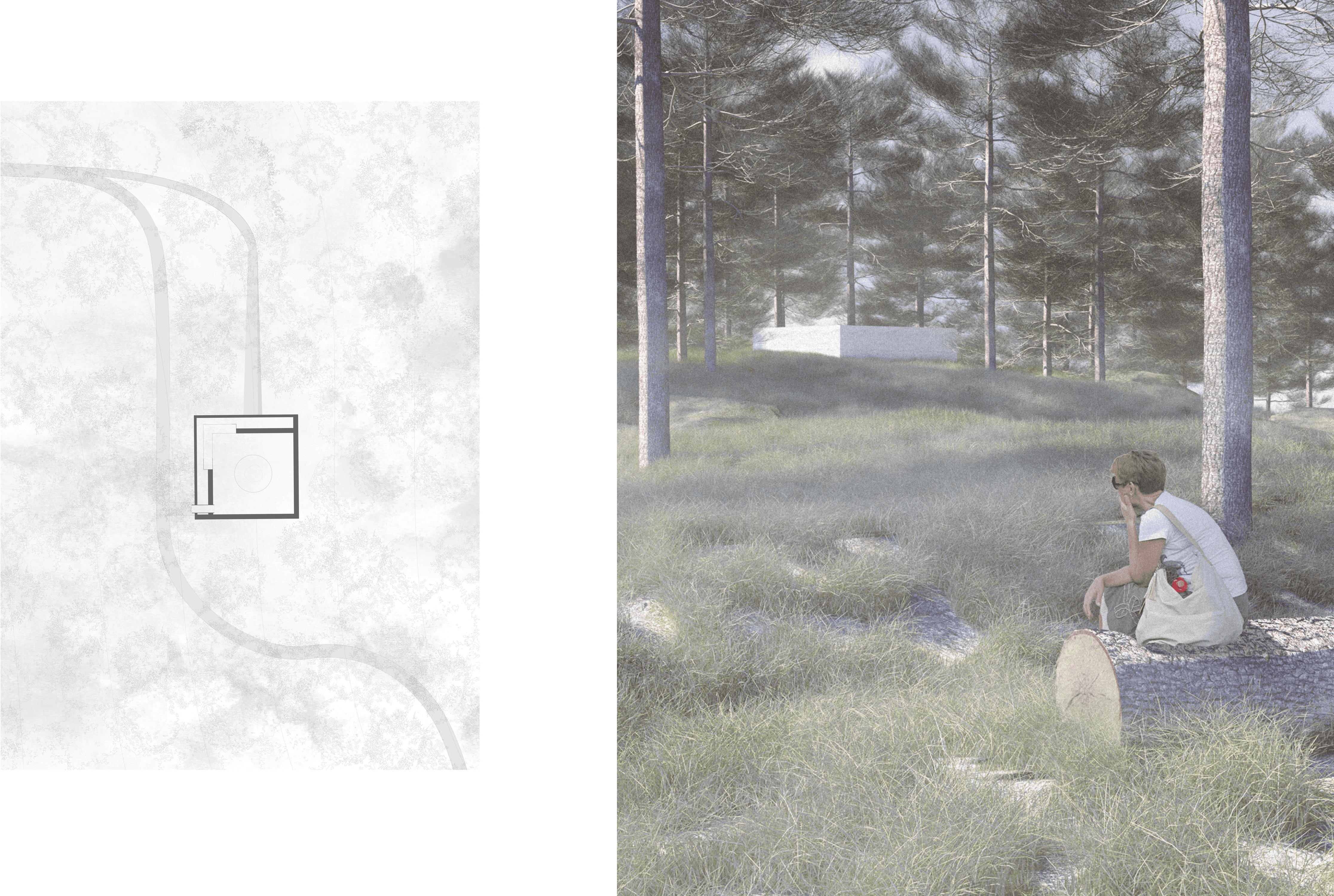
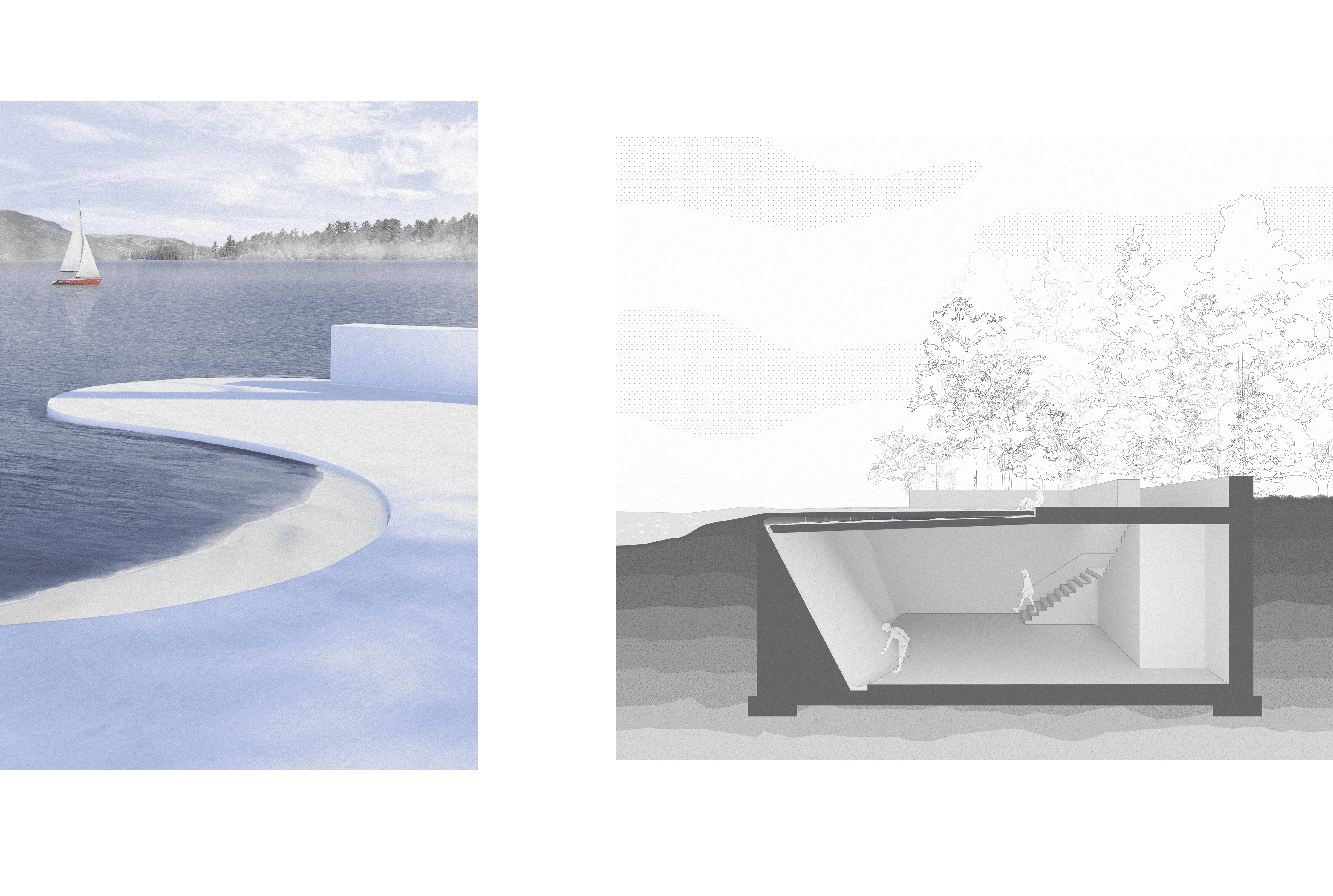
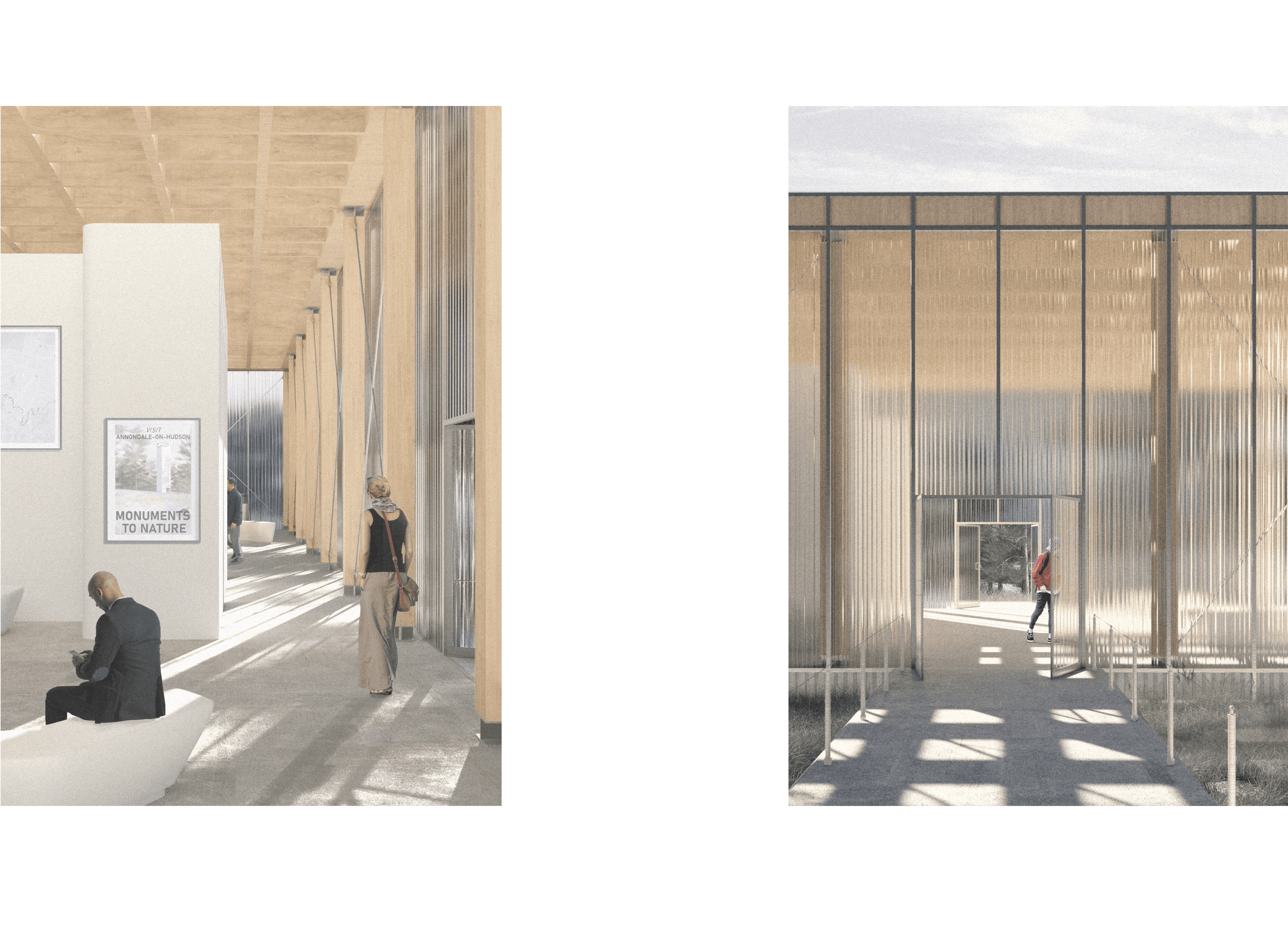
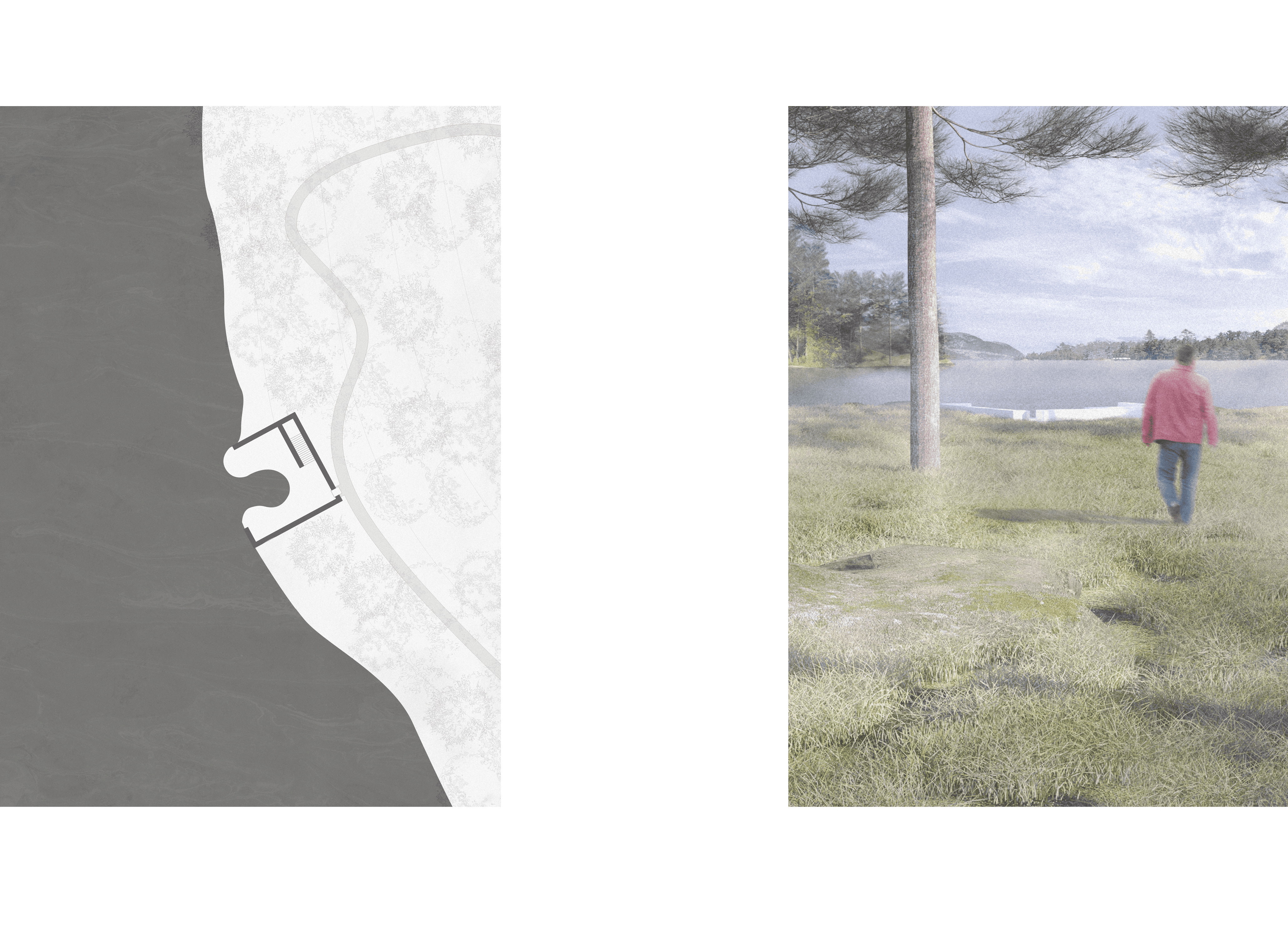
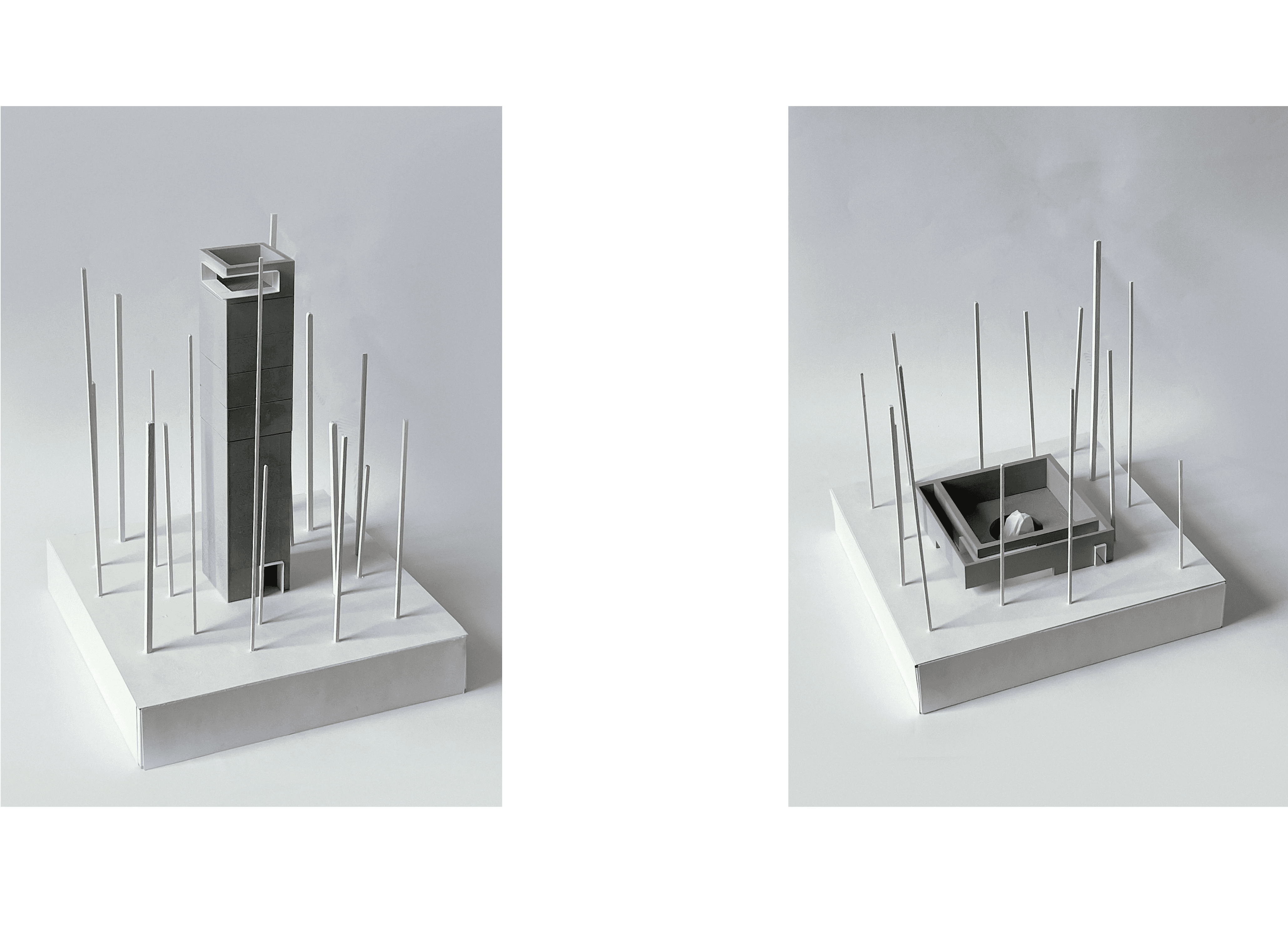
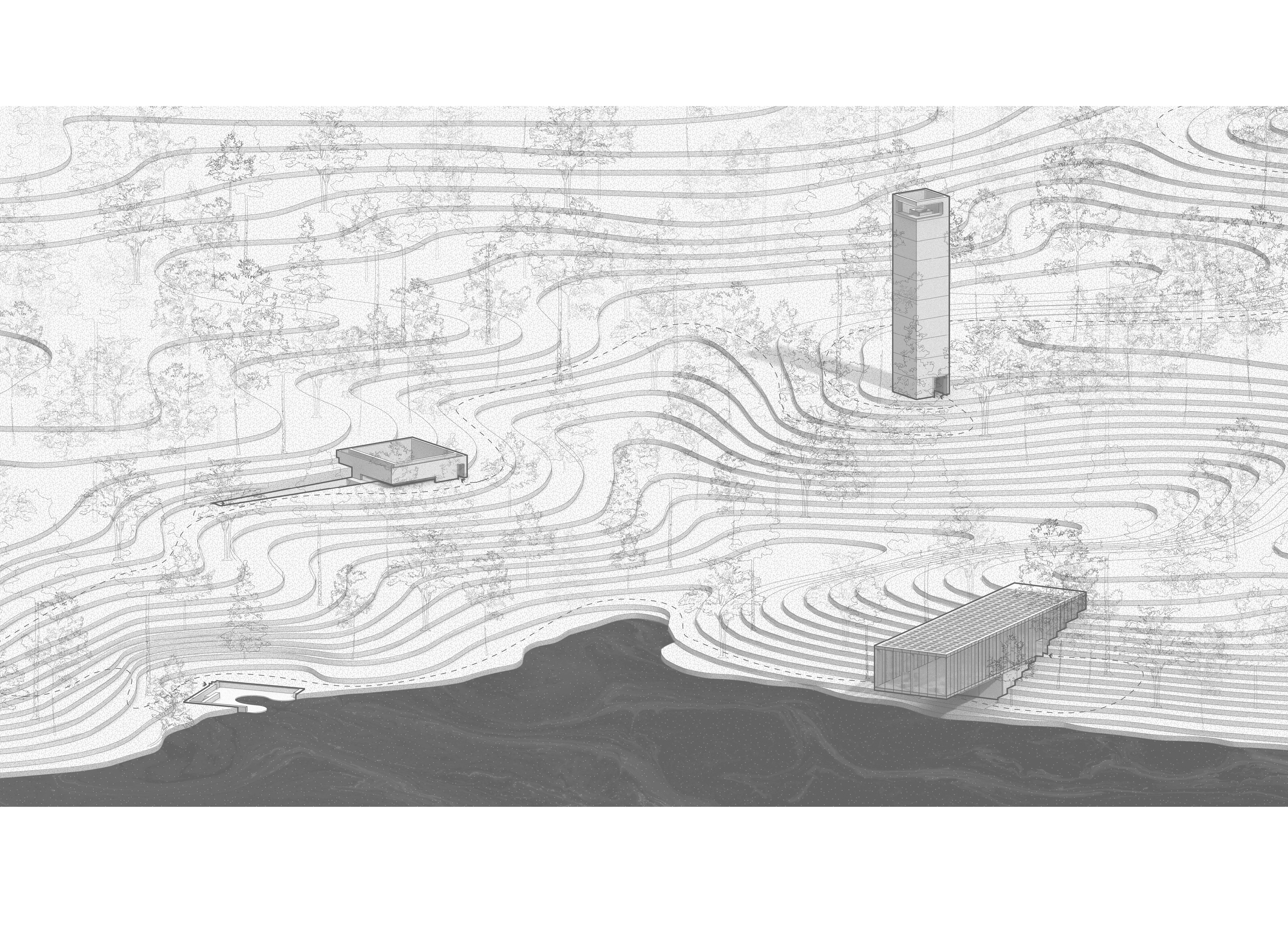
Designed to complement nature by contrasting its delicacy with massiveness, fluidity with rigidity, and ever-changing qualities with permanence, these Monuments to Nature act as a blank canvas for nature to grow, change, and weather over time. Placed in a site removed from the urban condition, this project became an opportunity to generate a philosophy about nature, context, and what it means to design a center focused on the natural environment. Challenge: Creating an architecture, or lack thereof, that truly leans into elements found on the site. As we destroy the very thing we care so much about, can we create an architecture that positions nature on the highest pedestal by juxtaposing it with something massive and permanent? Approach: We leaned into the paradox. We distilled nature down to its basics: water, air, and earth. From these three elements, we created an architecture that is equally distilled and massive, an architecture that doesn't perform like a building but merely as a monument to the key features of those elements. Each monument consists of solid, two-foot-thick concrete walls, acknowledging that we have not yet found a way to design architecture that can resiliently withstand nature's forces while using only naturally occurring materials. The only formal building on site is a cantilevered gallery constructed from light timber and polycarbonate designed to decay over 15 to 30 years, reinforcing that nature can only truly be appreciated when experienced outside, not when curated. Outcome: Monuments to Nature is a reflection of what those three elements look and feel like and how we interact with them, paired with an architecture made of the most delicate materials. An architecture designed to dissolve with time, leaving behind nothing but a slab, while the three monuments will exist for eternity as monuments to water, air, and earth.

Designed to complement nature by contrasting its delicacy with massiveness, fluidity with rigidity, and ever-changing qualities with permanence, these Monuments to Nature act as a blank canvas for nature to grow, change, and weather over time. Placed in a site removed from the urban condition, this project became an opportunity to generate a philosophy about nature, context, and what it means to design a center focused on the natural environment. Challenge: Creating an architecture, or lack thereof, that truly leans into elements found on the site. As we destroy the very thing we care so much about, can we create an architecture that positions nature on the highest pedestal by juxtaposing it with something massive and permanent? Approach: We leaned into the paradox. We distilled nature down to its basics: water, air, and earth. From these three elements, we created an architecture that is equally distilled and massive, an architecture that doesn't perform like a building but merely as a monument to the key features of those elements. Each monument consists of solid, two-foot-thick concrete walls, acknowledging that we have not yet found a way to design architecture that can resiliently withstand nature's forces while using only naturally occurring materials. The only formal building on site is a cantilevered gallery constructed from light timber and polycarbonate designed to decay over 15 to 30 years, reinforcing that nature can only truly be appreciated when experienced outside, not when curated. Outcome: Monuments to Nature is a reflection of what those three elements look and feel like and how we interact with them, paired with an architecture made of the most delicate materials. An architecture designed to dissolve with time, leaving behind nothing but a slab, while the three monuments will exist for eternity as monuments to water, air, and earth.


The monuments are dedicated to the three main principles of our environment: air, land, and water. Because of our tendencies to selfishly mistreat and destroy elements of nature for our benefit, each of the three monuments consists of solid, two-foot-thick concrete walls. The paradoxical narrative created by designing monuments dedicated to nature that act as a blank canvas yet still use unnatural materials serves to show that we have still not found a way to design architecture that can resiliently and responsibly withstand nature’s forces while still using materials occurring naturally in our environment. Inside the project’s only ‘building’ sits a cantilevered gallery of some of nature’s most beautiful objects—each of which is behind glass or rope. This furthers the idea that the only time you can truly appreciate nature is when you are outside, not when it is curated.

Client Annadale-On-Hudson Preservation Award International Design Awards (IDA), Bronze - Landmarks, Symbolic Structures Year 2022 Services Architecture, Branding Credits Brennan Heyward Samuel Bager Robert Marino (Critic)

Brennan Heyward®

2026